
Our Philosophy
. . .
It is a thoughtfully designed curriculum developed after years of observation, founded due to a deep desire to empower individuals to know how to find their center in any terrain life presents, and to reduce confusion, noise, angst, and outsourcing in a way that creates dependence or disempowerment.
It is a set of skills that once learned, are practiced over time and become a foundational way of being, so that you don’t say “Oh, that is the orientation method, you say, oh I trust myself and how to navigate.”
It is not personal development, therapy, coaching, or a quick fix.
It is enduring & solid, designed to quiet your mind, relieve your angst, and help you to always know how to find your own way.
It is the Practice of Restoring thoughtful movement in your life
. . .
. . .
Life is constantly changing.
New terrain appears.
A relationship shifts.
A decision becomes complicated.
Something we counted on changes.
A question we thought we had answered returns.
In these moments, we often assume the problem is that we don't have enough information.
So we gather more.
We ask more people.
Read more.
Research more.
Listen to more advice.
And sometimes, the more information we gather, the harder it becomes to know what to do.
The problem isn't always a lack of information.
Sometimes, it is that we don't yet know how to orient ourselves within it.
Without clarity, movement stalls.
“Maps are only helpful if you are looking at the correct one and know how to read it.”
Without Orientation
Something happens
We feel uncertain
We look outward for answers
More information arrives
Different perspectives accumulate
We try to reconcile everything
We become overwhelmed
We lose touch with what we observe, know, want, or value
We get stuck.
With Orientation
Something happens
We pause and notice where we are
We observe what is actually happening
We gather information
We consider the lens it comes through
We sort what is useful from what is not
We return to our own observations, values, desires, and experience
We discern what matters
We identify what comes next…
Movement becomes possible
What is the orientation method?
observe. discern. orient. integrate. steward
Centered around five central capacities, and developed through years of observation, The Orientation Method is a teachable process for learning how to remain oriented in a changing world.
It is designed to help you work skillfully with the information you encounter so that you can understand where you are, recognize what matters, and determine how to move forward.
It does not remove uncertainty.
It restores movement.
the five capacties
-
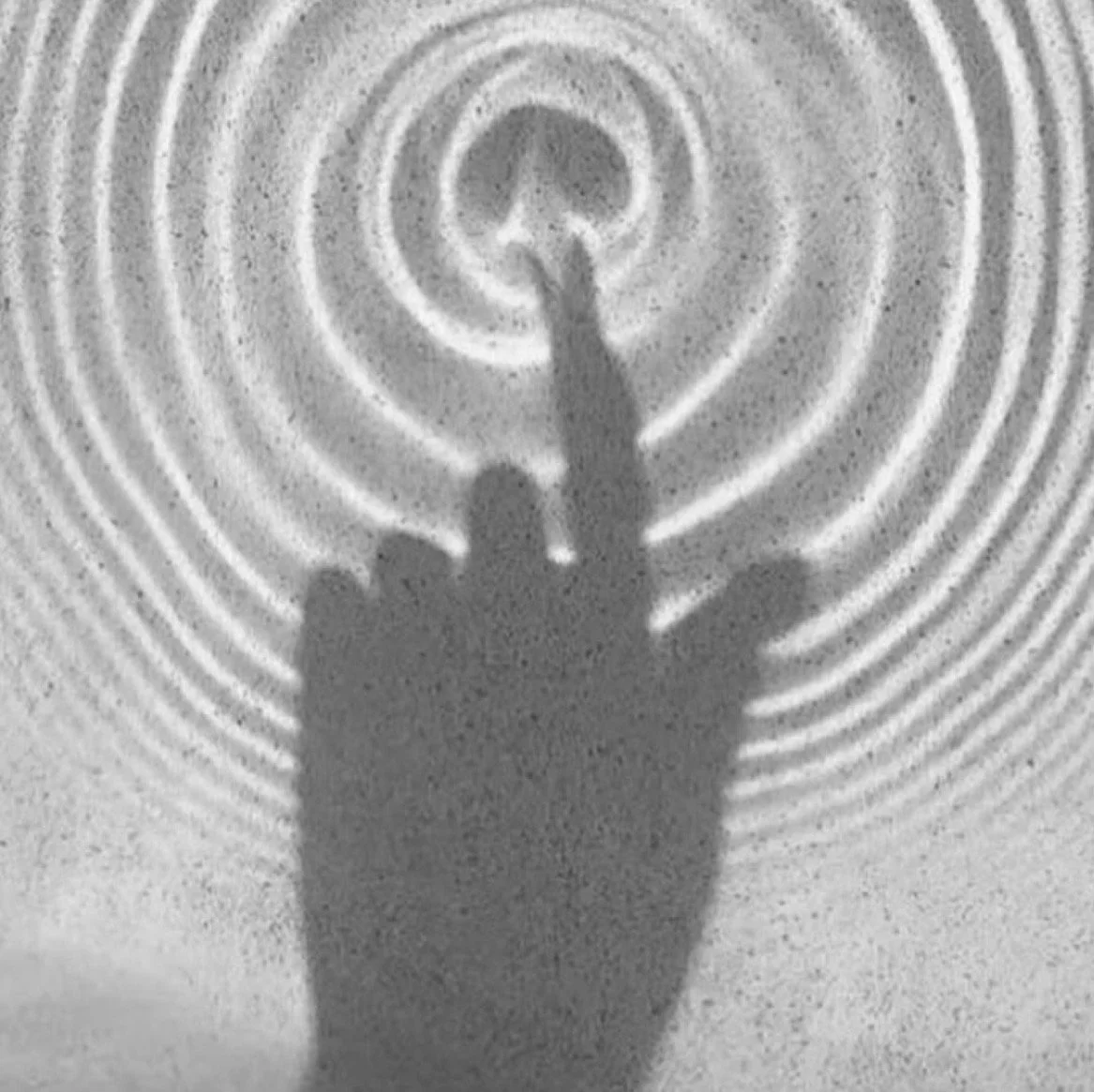
Observe
Learn to see what is actually happening before deciding what it means. Observation creates space between experience and interpretation.
-

Discern
Not all information deserves equal weight. Learn to understand what information is useful, what perspective it comes from, what assumptions it carries, and what belongs in your decision-making.
-
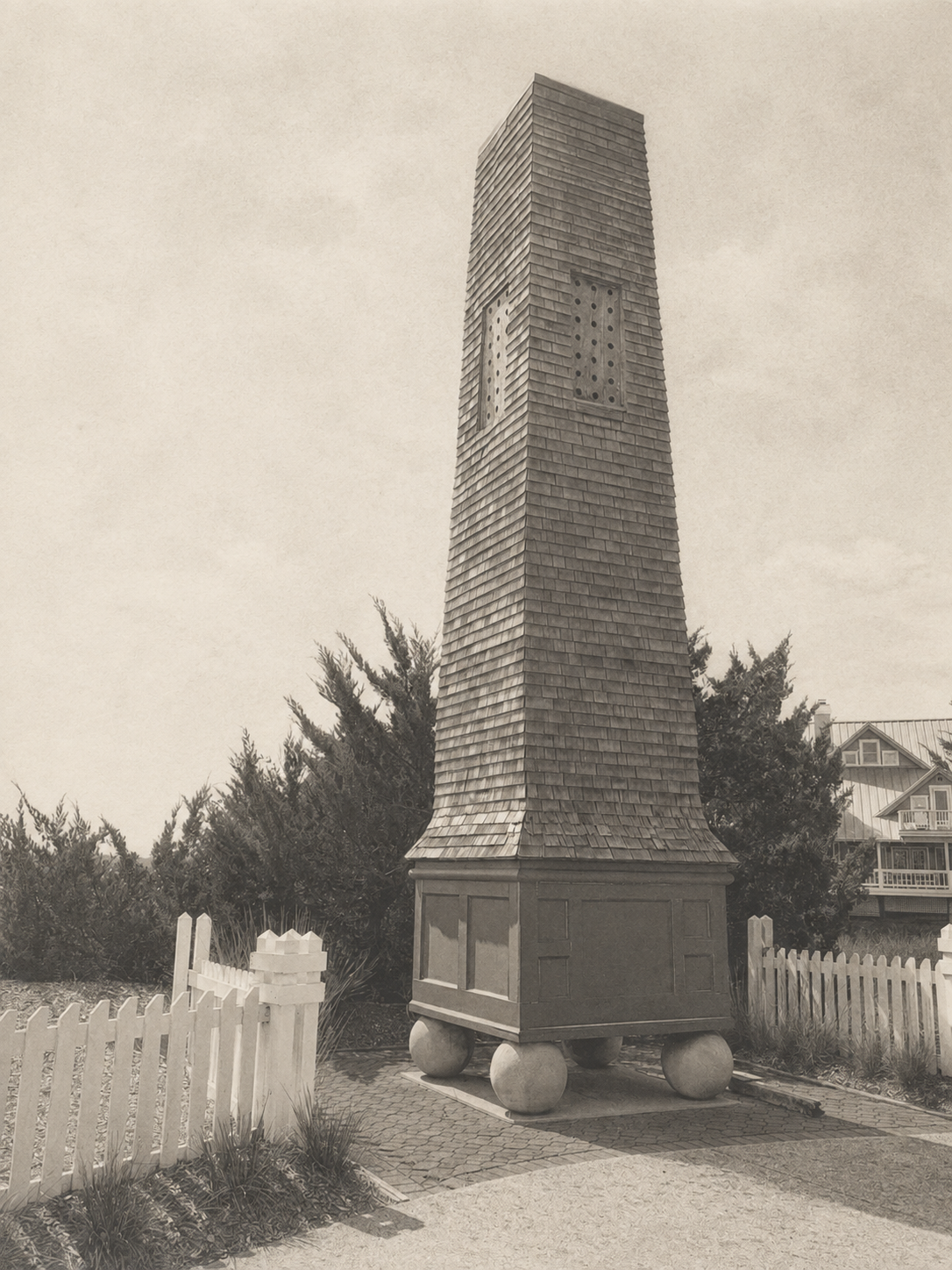
Orient
Orientation is knowing where you are in relation to what is happening. Learn to remain connected to your inner reality while staying grounded in the outer world.
-
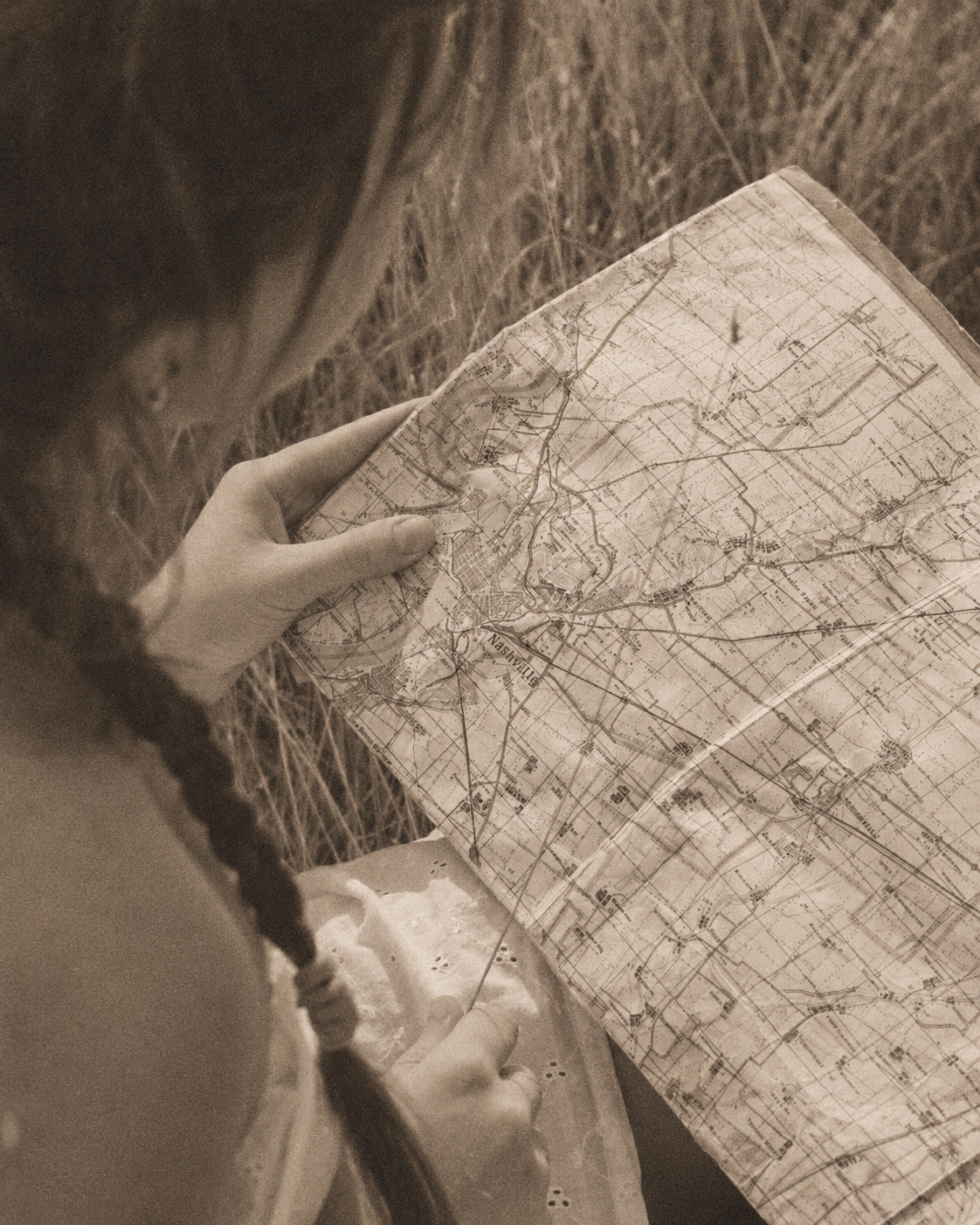
Integrate
Bring together what you have observed, what you have learned, what you value, what you desire, what you know about yourself, and what reality is asking of you.
-

Steward
Live from what you have discerned. Make a choice, have a conversation, set a boundary, change direction, wait, act, return, or recalibrate. Orientation becomes movement.
Why information isn’t the problem ::
Information becomes overwhelming when we don't yet have an organizing principle.
Orientation doesn't remove information.
It provides a way to sort it.
With an organizing principle, advice becomes something we can consider rather than something we must obey.
The work is not to reject experts, research, or other people's perspectives.
It is to learn how to relate to them wisely—to ask what lens they come through, what they can tell us, what they cannot tell us, and how that information belongs alongside our own observations, instincts, desires, values, and lived experience.
. . .
Disorientation Rarely announces itself.
It can look like:
overthinking
constantly seeking reassurance
changing your mind every time someone offers a new perspective
feeling as though everyone else knows something you don't
researching a decision endlessly without moving
confusing someone else's certainty with your own truth
simply feeling unable to take the next step.
Can you relate?

Consider something as ordinary as a friend disappointing you.
You might begin with an observation:
My friend cancelled plans again.
Then interpretation arrives:
They don't value me.
Someone else says:
Maybe they're just overwhelmed.
You search for advice.
You remember something you read.
You replay the conversation.
You wonder whether you're being too sensitive—or not sensitive enough.
The information keeps accumulating,
but movement doesn't.
. . .
Orientation creates another possibility.
What do I actually observe?
What am I interpreting?
What else might be true?
What do I know about this relationship?
What do I need?
What information am I receiving, and what lens does it come through?
What matters here?
What is mine to decide?
The goal isn't to find the one correct interpretation.
It is to become oriented enough to determine what comes next.
What the orientation method is not —
The Orientation Method is not a system for telling you what to do.
It is not a formula for eliminating uncertainty.
It is not about ignoring expert advice, other people's perspectives, or information from the outside world.
It is not about trusting every feeling simply because it is yours.
It is not about becoming completely self-reliant.
And it is not about reaching a state where you never become disoriented again.
Disorientation is part of being human.
The goal is not to prevent it.
The goal is to recognize it sooner, understand what is happening, and know how to return.
We are never in the business of preventing experiences, emotions, or sensations.
That sets you up for a life of anxiety and fear attempting to control conditions that you can not control.
Instead, we teach you how to skillfully relate to what your experience is so that you can move with intention between your inner and outer world and make decisions with clarity & self trust.
The Promise.
The Orientation Method does not promise that you will always know the answer.
It promises something more useful—
That you can learn how to navigate.
You can learn to recognize where you are.
You can learn to work with information without becoming consumed by it.
You can learn to distinguish what you observe from what you assume.
You can learn to listen to others without abandoning yourself.
You can learn to remain connected to reality while remaining connected to yourself.
And when you become stuck, you can learn how to restore movement.
Because certainty is not the measure of orientation.
Movement is.
A Practice not a destination—
Orientation is not something you master once.
The terrain keeps changing.
So the practice continues.
You observe.
You discern.
You orient.
You integrate.
You steward.
Then life changes again.
And you return.
This is why the orientation method is not about learning a set of answers
It is about strengthening a set of capacities.
Capacities you can carry into relationships, work, parenting, leadership, transitions, uncertainty, and every environment life asks you to enter.
The world will not always organize around you. You will not always know what is coming. You will not always know the way immediately.
But you can become someone who knows how to find their bearings.
Someone who can gather information without becoming overwhelmed by it.
Someone who can listen without abandoning themselves.
Someone who can remain oriented while the terrain changes.
Someone who can keep moving.
That is the practice of Orientation.